

 (03) 8719 8776
  No Callout Fee
  Tap To Call Us →
How To Prevent Power Surge Damage

Author: Leonard (All Electrics)

Read Time: 13 Minutes
Key Takeaways
- ✓ 60–80% of power surges originate *inside* your home from appliances cycling on and off
- ✓ Melbourne averages approximately 15 thunder days per year; surge risk peaks October through March
- ✓ Whole-home surge protection costs $300–$700 installed by a licensed electrician
- ✓ Point-of-use surge protectors wear out silently and must be replaced every 3–5 years
- ✓ Over 40% of Australian homes now have rooftop solar, and inverters and batteries are surge-vulnerable
- ✓ Safety switches (RCDs) do *not* protect against surges. You need both.
What Is a Power Surge?
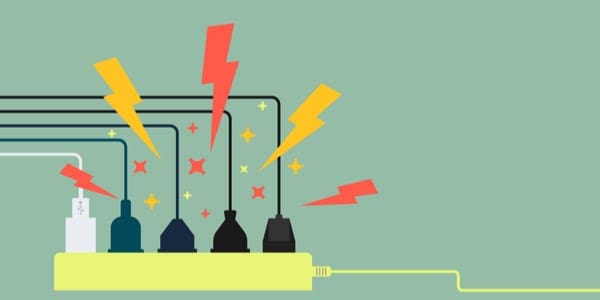
Australian homes and businesses operate on a standard supply voltage of 230V. A power surge is any event that temporarily drives voltage significantly above this level, often within milliseconds and often imperceptibly. The excess voltage has to go somewhere, and it typically dissipates through the electronic components of whatever is plugged in at the time. Modern appliances, particularly those with microprocessors such as smart TVs, computers, gaming consoles, and inverter-type air conditioners, operate within very narrow voltage tolerances. A surge does not need to be dramatic to cause harm. Repeated low-level spikes, too small to trip a circuit breaker, can degrade electronics incrementally until they fail prematurely. A single large surge, such as one triggered by a nearby lightning strike, can destroy multiple appliances simultaneously.What Can Cause Power Surges?
Surges fall into two broad categories: those that originate externally (outside your home), and those generated internally (within it). Internal causes are far more common than most people expect. External causes include:- Lightning strikes: Even indirect strikes near power lines can induce damaging voltage spikes across the distribution network
- Utility grid switching: Energy distributors such as AusNet Services, United Energy, and CitiPower regularly switch load between circuits, which can introduce transient voltage disturbances
- Downed power lines: Caused by falling trees, severe wind, or animal interference with electrical infrastructure
- Transformer faults: Brief but severe over-voltage events triggered by failures in the local distribution network
- Incompatible appliances: Devices brought from countries using different voltages (e.g. the US at 120V or Japan at 100V) can push electricity back into your home’s wiring if used without a proper converter
What Appliances Are Most at Risk From Power Surges?
Not all appliances are equally vulnerable. Risk depends largely on how sensitive a device’s internal electronics are to voltage variation, and how expensive it is to replace.Highest risk:
- Computers, laptops, and home servers
- Smart TVs and home theatre systems
- Gaming consoles and streaming devices
- Smart home hubs, routers, and modems
- Solar inverters and battery storage systems
- Inverter-type ducted heating and cooling systems
Moderate risk:
- Washing machines and dryers with electronic controls
- Dishwashers with digital displays
- Microwave ovens and smart refrigerators
- Medical devices such as CPAP machines and electric beds
Signs That Your Home Has Already Had a Power Surge
Many surge events pass without notice. But if you observe any of the following, arrange a professional inspection before replacing appliances:- A device that worked fine suddenly will not power on, or turns on intermittently
- Lights that flicker or dim without an obvious load cause
- A burning smell near power outlets or behind appliances
- Circuit breakers that trip repeatedly without explanation
- Electronics that behave erratically: freezing, rebooting, or losing saved settings
- The indicator light on a surge protection powerboard has changed colour or turned off
- Multiple appliances fail within the same period
How To Prevent Power Surges
Prevention operates at two levels: reducing the frequency of surge events within your home, and ensuring protection is in place when surges occur, whether from inside or outside. The four measures below apply to both.1. Unplug Unnecessary Devices During Storms
Melbourne’s storm season runs from October through March. With the city averaging approximately 15 thunder days per year according to Bureau of Meteorology records, the risk of lightning-induced surges is real throughout summer. Unplugging sensitive electronics during a thunderstorm remains the single most reliable protection method. No surge protector can fully absorb the energy of a nearby direct lightning strike. For appliances that cannot be unplugged (home servers, NAS drives, routers), a whole-home SPD at the switchboard is the practical alternative.2. Make Sure To Inspect Your Wiring
Aged or deteriorating wiring amplifies the effects of surges. Aluminium wiring (common in Melbourne homes built before 1980), frayed insulation, and loose connections all create points of resistance that generate heat and localised voltage irregularities. Energy Safe Victoria recommends periodic electrical safety inspections, particularly before summer storm season. If your home has not had a licensed electrical safety inspection in the past five years, now is a practical time to arrange one.3. Surge Protectors
Surge protectors are available at two tiers (covered in detail in the next section). At the point-of-use level, choose a powerboard rated in joules; the higher the joule rating, the more surge energy it can absorb before the protection is spent. Look for compliance with AS/NZS 4249, the Australian standard for surge protective devices. For computers and data storage where losing work is as costly as losing hardware, consider a UPS (uninterruptible power supply), which combines surge protection with battery backup to allow a clean shutdown during power disturbances.4. Make Sure Your Circuit Breakers Are Working
Circuit breakers protect against sustained overcurrent and are not designed to respond to a surge lasting microseconds. If your breakers are tripping frequently without an obvious cause, that signals an underlying issue: overloaded circuits, deteriorating wiring, or failing appliances. Frequent spurious trips can also mean your switchboard is aged and due for assessment. Contact us for a professional electrical fault diagnosis if this is happening in your home.Point-of-Use vs Whole-Home Surge Protection
The most common question we receive on this topic is: *”Do I just need a surge powerboard, or do I need something installed by an electrician?”* The answer depends on what you are protecting, and how much you stand to lose. Point-of-use surge protectors: Powerboards available from hardware and electronics retailers. They contain metal oxide varistors (MOVs) that clamp excess voltage and redirect it to the earth wire. They are effective for low-to-moderate surges and represent a sensible minimum for computers and entertainment equipment. Their key limitation: each absorbed surge degrades the MOVs, eventually exhausting the protection entirely, often with no visible sign. They also provide no protection to the rest of your home’s circuits, wiring, or hard-wired appliances. Whole-home surge protective devices (SPDs): Are installed at the switchboard by a licensed electrician and must comply with AS/NZS 3000 (Australian Wiring Rules). They intercept surge energy at the point of entry, before it reaches your internal wiring and appliances. A whole-home SPD does not replace point-of-use devices; it works with them in a layered protection approach that covers the entire property. | Feature | Point-of-Use Powerboard | Whole-Home SPD | |—|—|—| | Typical cost | $30–$150 (retail) | **$300–$700 installed** | | What it protects | Plugged-in devices only | **Entire home & wiring** | | Requires licensed electrician | No | **Yes, legally required** | | Australian standard | AS/NZS 4249 (check label) | AS/NZS 3000 compliant | | Typical lifespan | 3–5 years | **10+ years** | | Protects solar/battery systems | No | **Yes (with correct SPD type)** | | Recommended use | Computers, TVs, consoles | **All homes: essential baseline** | **Tip:** Under Victorian law, any electrical work at the switchboard (including SPD installation) must be carried out by a licensed electrician. All Electrics Melbourne (REC 22144) services Melbourne CBD and the eastern suburbs for both domestic and commercial electrical work.How Melbourne’s Storm Season Increases Your Risk
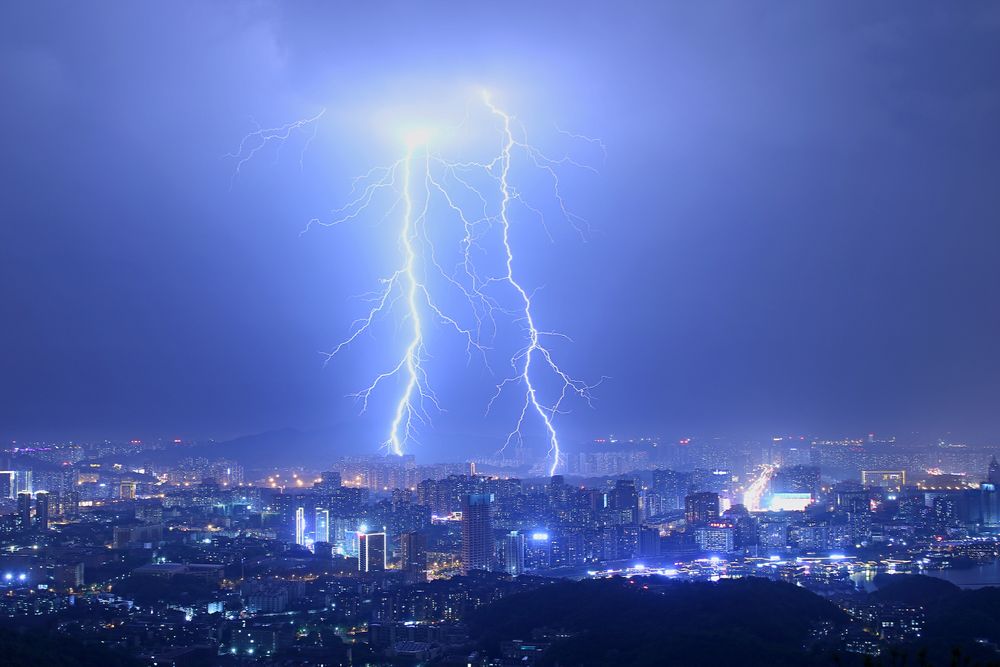 Victoria’s electrical network faces increased stress during the summer storm season, from October through March. According to Bureau of Meteorology climate records, Melbourne averages approximately 15 thunder days per year. In the Victorian Highlands and Gippsland, this figure exceeds 30 days annually.
Thunderstorm-related surges reach your home via two pathways. The first is induction on overhead power lines. A strike anywhere on the distribution network can propagate a voltage transient across a wide area. The second is a direct or close strike to your property, which can deliver tens of thousands of volts, far beyond what any point-of-use device can absorb.
Distribution networks managed by AusNet Services (eastern Victoria), United Energy (Melbourne’s southeastern suburbs and Mornington Peninsula), and CitiPower (inner Melbourne) each manage their own storm response protocols. Load-switching during storm events, even when performed correctly, can introduce additional transients onto the network.
Seasonal preparation before October is measurably more cost-effective than repairing or replacing appliances after an event. Check your surge protector indicator lights, replace any units over five years old, and consider having a whole-home SPD installed as a baseline measure.
Victoria’s electrical network faces increased stress during the summer storm season, from October through March. According to Bureau of Meteorology climate records, Melbourne averages approximately 15 thunder days per year. In the Victorian Highlands and Gippsland, this figure exceeds 30 days annually.
Thunderstorm-related surges reach your home via two pathways. The first is induction on overhead power lines. A strike anywhere on the distribution network can propagate a voltage transient across a wide area. The second is a direct or close strike to your property, which can deliver tens of thousands of volts, far beyond what any point-of-use device can absorb.
Distribution networks managed by AusNet Services (eastern Victoria), United Energy (Melbourne’s southeastern suburbs and Mornington Peninsula), and CitiPower (inner Melbourne) each manage their own storm response protocols. Load-switching during storm events, even when performed correctly, can introduce additional transients onto the network.
Seasonal preparation before October is measurably more cost-effective than repairing or replacing appliances after an event. Check your surge protector indicator lights, replace any units over five years old, and consider having a whole-home SPD installed as a baseline measure.
How Much Does Surge Protection Cost in Australia?
Surge protection costs in Australia vary depending on the type of protection and whether a switchboard upgrade is required. The figures below are sourced from current Australian electrical contractor pricing (2024). | Protection Type | Cost (AUD) | Notes | |—|—|—| | Surge protection powerboard | $30–$150 | DIY; point-of-use only; check for AS/NZS 4249 compliance | | Whole-home SPD (device only) | $70–$300 | Equipment cost only; installation required | | Installation labour | $100–$200 | Licensed electrician required under Victorian law | | **Total whole-home installation** | **$300–$700** | **Most Melbourne homes; no switchboard upgrade needed** | | Switchboard upgrade (if required) | $575–$4,700 additional | Older switchboards; also adds modern safety switches (RCDs) | Source: EA Electrics Australia: Surge Protection Cost Guide (2024) If your switchboard is aged or lacks sufficient space for an SPD, an upgrade may be recommended. While this increases the upfront cost, it typically includes the installation of modern safety switches (RCDs), providing an additional layer of protection and ensuring your home meets current Australian standards.When Should You Call an Electrician About Power Surges?
Some surge protection measures are straightforward DIY tasks: replacing a powerboard, checking an indicator light. Others legally and practically require a licensed electrician. Contact us if any of the following apply:- Multiple appliances have failed within the same period
- Circuit breakers are tripping repeatedly without a clear cause
- You want whole-home surge protection installed at your switchboard
- Your home has an older switchboard (pre-2000) that has not been recently assessed
- You are moving into an older Melbourne property with an unknown electrical history
- You have a solar or battery system and want surge protection reviewed for these
- You can smell burning near power outlets or at the switchboard
- Lights are flickering persistently across multiple circuits
Frequently Asked Questions
Questions about surge protection damage? Here’s some of the most frequently asked questions we receive after customers read through this article:Do surge protectors protect against lightning?
Point-of-use surge protectors offer limited protection against the extreme voltage of a direct or nearby lightning strike. The safest approach during a storm is to unplug sensitive devices entirely. A whole-home surge protective device (SPD) installed at your switchboard provides a significantly higher level of defence against both direct and indirect lightning-induced surges, but no system is absolute against a direct hit.How do I know if my surge protector is still working?
Most quality surge protectors include an indicator light showing whether the surge protection circuitry is still active. If the light is off or has changed colour, the metal oxide varistors (MOVs) inside have been exhausted. The device will still supply power, but it no longer protects against surges. Replace it immediately. After any significant surge event, replace point-of-use devices proactively even if the indicator still shows green.Can a power surge damage my solar panels or battery storage?
Yes. Solar inverters and battery storage systems contain sensitive microelectronics that are highly vulnerable to voltage spikes. With over 40% of Australian households now carrying rooftop solar, surge protection for these systems is increasingly important. Speak to a licensed electrician about SPDs designed specifically for solar and battery installations. The device type and installation point differ from standard household SPDs.Is surge damage covered by home insurance in Australia?
Many Australian home and contents insurance policies include accidental damage cover that may extend to power surge events, but exclusions vary significantly between insurers. Check your Product Disclosure Statement (PDS) carefully. Having a licensed electrician’s written assessment of the damage, and documenting the event, strengthens any claim. The ACCC has also previously enforced compensation rights against energy retailers for network-caused surge damage.Do I need surge protection if I already have safety switches?
Yes. Safety switches (RCDs) and surge protectors serve completely different functions. An RCD detects earth leakage current and cuts power to prevent electrocution. A surge protective device (SPD) clamps excess voltage to protect appliances and wiring. You need both, and they work together. One does not replace the other. Many older Melbourne homes have neither; a licensed electrical inspection will identify what protection is currently in place.How often should I replace point-of-use surge protectors?
Replace surge protection powerboards every 3–5 years as a matter of routine, or sooner if the protection indicator light shows the MOVs have been used up. After a significant surge event (such as a nearby lightning strike or a network disturbance), replace them immediately regardless of the indicator status. MOV components can degrade below rated capacity without any visible sign on the device.Filter By Category
Most Viewed Guides

Need An Electrician?
Contact us today for a free fixed priced quote. You’ll be very happy that you did.
Contact Us →
Written By
Leonard Dibb
Leonard Dibb started All Electrics Melbourne with the goal of making high-quality electrical work more accessible, affordable and reliable for local homeowners and small businesses in South East Melbourne. With over 20 years of industry experience, Leonard leads a trusted team that services Melbourne CBD and the eastern suburbs with fully licensed and insured domestic electrical solutions.
Skip the callout fees.
Help us to help you.
We quote 99% of jobs online for free when you supply job photos. We save fuel and you save both time and money. Enquire now and we’ll be in touch.
Get Free Online Quote