(03) 8719 8776
 No Callout Fee
 Tap To Call Us →
Why Does My Safety Switch Keep Tripping?


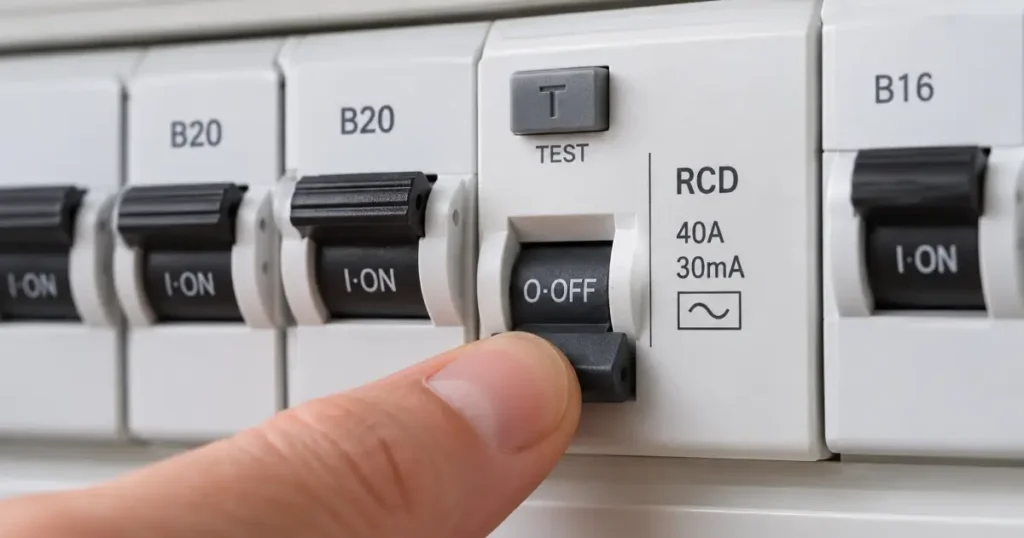
A safety switch usually keeps tripping because it has detected electricity leaking from a faulty appliance, damaged wiring or a wet fitting. If it trips with everything unplugged, the fault is likely in fixed wiring or hardwired equipment, or the switch itself, and needs a licensed electrician.
Safety switches are designed to detect certain electrical faults and cut the power to help protect you from electric shock. If your safety switch keeps tripping, there’s usually a reason for it and this should not be ignored. While losing power unexpectedly is frustrating, repeatedly resetting the switch without identifying the problem can also be dangerous.
Sometimes, the cause can be relatively simple, such as a faulty kettle, ageing washing machine or moisture entering an outdoor power point. Other times, repeated tripping can indicate damaged wiring, faulty electrical connections or a problem with your switchboard.
At All Electrics Melbourne, electrical fault finding is one of our most requested services. With Leonard Dibb’s 20+ years of experience working in Melbourne homes, we know that identifying the cause isn’t always straightforward.
In this guide, we’ll cover:
6 Common Reasons Your Safety Switch Keeps Tripping
A tripping safety switch can be caused by anything from a faulty household appliance to deteriorating wiring or moisture entering electrical fittings. Understanding these common causes can help you recognise potential problems and determine when professional testing is needed. Here are the 6 most common reasons your safety switch keeps tripping:
1. Faulty Electrical Appliances
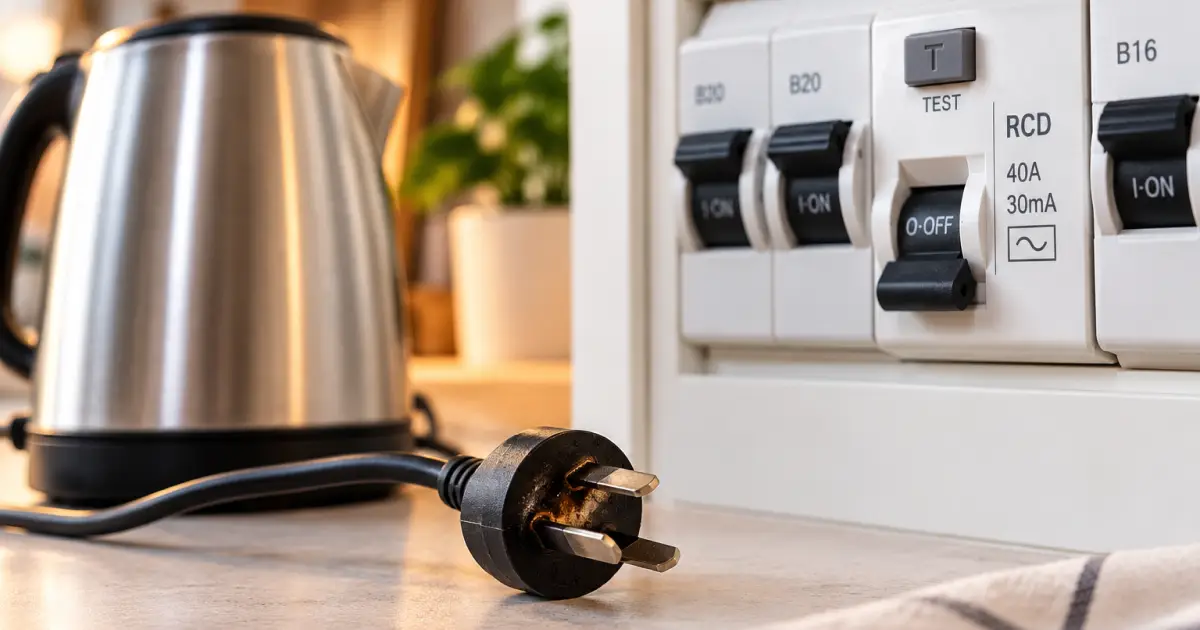
Faulty appliances are often one of the first things we investigate. This includes kettles, washing machines, dishwashers, heaters and hot water systems. All of these appliances can develop insulation faults or moisture-related problems as they age.
The timing of when the safety switch trips can sometimes also provide a clue. For example, a kettle might trip the switch immediately, while a washing machine may only cause problems once its heating element starts operating. If you suspect an appliance, stop using it until it has been checked by an electrician or replaced.
2. Water or Moisture
Does your safety switch trip whenever it rains? This could be due to moisture entering outdoor power points, garden lighting, security lights or other electrical connections (even indoors).
Damaged seals and deteriorating fittings can occassionally allow water inside, creating a path for electrical leakage. However, even if the problem disappears once everything dries out, the underlying fault may still be present and should be checked.
3. Damaged or Ageing Wiring
Electrical wiring can deteriorate due to age, heat, moisture, rodents or physical damage. In addition, older Melbourne homes may also contain wiring installed under previous electrical standards and require full house rewiring.
These faults can be difficult to identify because damaged cables may be concealed behind walls or ceilings which mean an electrician can will need to test the affected circuits to determine whether a targeted repair or more extensive rewiring is necessary.
4. Leakage From Multiple Appliances
Many electrical appliances produce small amounts of normal leakage current, however, when several devices share the same safety switch, their combined leakage can sometimes become high enough to cause a trip. This slightly differs from overloading a circuit. and an electrician can measure leakage current to assess whether the existing circuit arrangement is appropriate.
5. A Faulty Safety Switch
Another common reason is that the safety switches themselves can deteriorate or malfunction over time, causing unpredictable tripping or difficulty resetting. However, frequent tripping doesn’t automatically mean the device needs replacing as this may be responding correctly to a fault elsewhere within your property, which is why proper testing is important.
6. Faults in Hardwired Appliances
Lastly, not everything connected to your electrical system can be unplugged. Air conditioners, ovens, hot water systems and fixed lighting may be connected directly to your home’s wiring and a fault in this equipment can cause the safety switch to trip even when all portable appliances have been disconnected.
What Does the Timing of a Tripped Switch Mean?
The timing of when your safety switch trips can reveal useful clues about the underlying problem which may be handy to note down for your electrician prior to testing. Some faults appear immediately, while others only develop when appliances heat up, switch on automatically or become exposed to moisture.
Here’s some common timing patterns to look out for:
| When it trips | Likely cause | What to do |
|---|---|---|
| Immediately after resetting | An active electrical fault in the wiring, connected equipment or the safety switch itself. | Don’t keep resetting it, as the fault may be an electrical hazard. Follow the checks below or call a licensed electrician. |
| When a particular appliance starts | An internal fault in the kettle, washing machine or other appliance is letting current leak to earth. | Leave the appliance unplugged until it has been checked or replaced. |
| Several minutes after an appliance starts | A fault that only appears once the appliance heats up or a component activates, such as a dishwasher’s heating element. | Stop using the appliance until it has been checked or replaced. |
| During or after heavy rain | Water entering outdoor lights, power points or electrical connections. | Have the affected installation inspected, even if the problem disappears once everything dries. |
| Randomly throughout the day | Deteriorating wiring, cumulative leakage from multiple appliances, or equipment that switches on automatically, such as refrigerators, hot water systems and air conditioners. | Note when it happens and what was running, then arrange testing by a licensed electrician. |
Noticing a pattern? Make a note of when the switch trips, which appliances were running and whether weather conditions played a role. This information can help your electrician narrow down the cause more efficiently.
Safety Switch, RCD or Circuit Breaker: Which One Tripped?
Your switchboard usually contains more than one type of protective device, and knowing which one has tripped helps point to the type of problem.
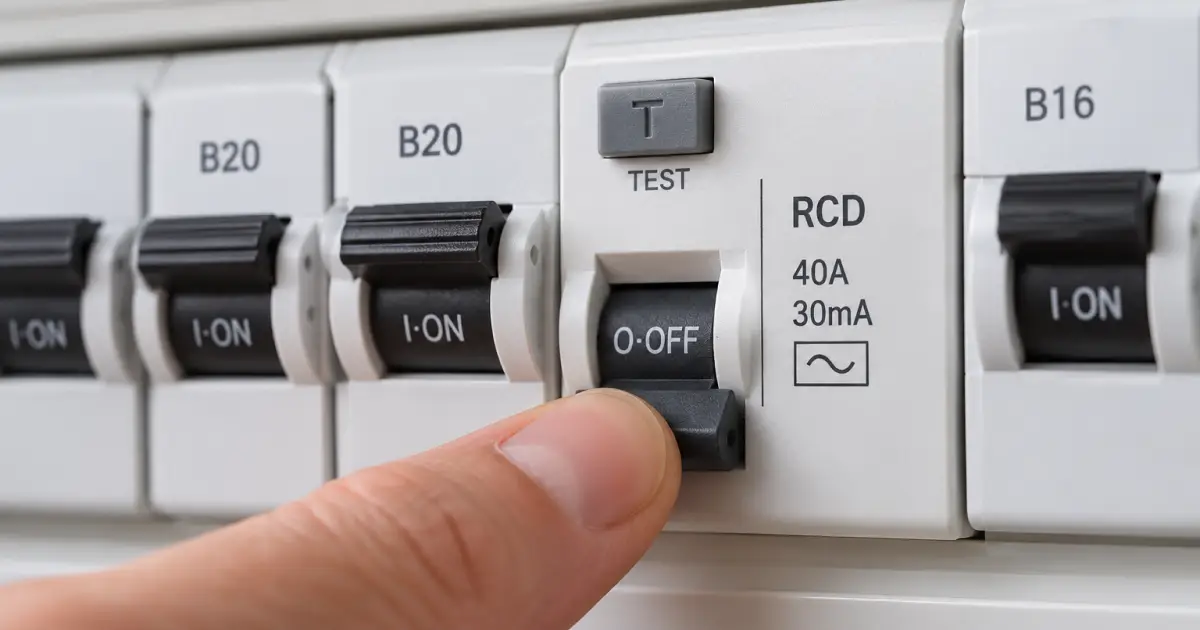
- Safety switch (RCD): RCD stands for residual current device, and it’s the same thing as a safety switch. It detects electricity leaking from a circuit, such as through a faulty appliance, damaged wiring or moisture, and quickly cuts the power to help protect you from electric shock. It usually has a test button marked ‘T’ or ‘Test’, and one safety switch often protects several circuits.
- Circuit breaker: A circuit breaker protects a circuit from too much current, caused by an overload or short circuit. It usually has no test button and controls one circuit.
- RCBO: An RCBO combines a safety switch and a circuit breaker in one device, usually protecting a single circuit. Because it does both jobs, a tripped RCBO can mean either leakage or too much current.
If a circuit breaker tripped rather than a safety switch, you may have too many appliances running on one circuit or a short circuit. A standalone safety switch responds to leakage rather than overloading, so it needs a different approach to find the cause.
How to Find What’s Tripping Your Safety Switch
There are a few simple checks you can safely carry out before arranging an electrical inspection. These may help identify a faulty appliance or recurring pattern, although they won’t necessarily reveal problems with fixed wiring or hardwired equipment.
Of course, Safety should always come first. Never remove switchboard covers, touch wet or damaged electrical equipment, bypass a safety switch or attempt electrical repairs yourself.
Here’s what you can safely check at home:
1. Identify the affected switch
Check your switchboard to see which device has tripped. Safety switches are often labelled RCD or have a test button marked ‘T’. If you’re unsure which switch is affected, take a photo to show your electrician without removing any covers.
2. Look for a pattern
Think about what was happening when the power went off. Were you using the kettle, washing machine or air conditioner? Does it happen during heavy rain? If it’s safe, unplug portable appliances connected to the affected circuit to help narrow down the possibilities.
3. Try one reset
If there are no signs of burning, sparking, water damage or other electrical hazards, you can attempt to reset the safety switch once. Make sure all portable appliances on the affected circuit are unplugged, then use the switch’s normal operating lever. If it stays on, move to step 4. If it immediately trips again, don’t continue trying and go to step 5.
4. Plug appliances back in one at a time
If the switch stays on after disconnecting your appliances, one of them may be responsible. Plug each appliance back in and turn it on one at a time, allowing a few minutes between each one. Some faults only appear once an appliance heats up, so let washing machines and dishwashers run into their heating cycle. If the switch trips, the last appliance you connected is the likely cause. Leave it unplugged until it has been checked or replaced. Don’t reconnect anything that is wet, visibly damaged or already suspected of being faulty, as this could recreate the electrical hazard.
5. Test the circuits at your switchboard
If the switch trips with your appliances unplugged, you can narrow down the affected circuit using only the switches on the front of the board. Only do this with dry hands, without removing any covers, and if there are no signs of burning, sparking, water damage or other electrical hazards. Turn off all the circuit breakers, then reset the safety switch. Turn the circuit breakers back on one at a time. If the safety switch trips as you turn one on, the fault is likely on that circuit. Leave that circuit breaker off and reset the safety switch once to restore power to the other circuits, then note which circuit it was for your electrician. If the safety switch trips with all the circuit breakers off, leave it switched off, as the safety switch itself or the switchboard may need testing.
6. Call an electrician if it trips again
If the switch continues to trip, or you’ve traced the problem to a circuit, the fault may involve fixed wiring, hardwired equipment or the safety switch itself. Leave the affected circuit switched off and arrange an inspection with a licensed electrician to identify the cause.
When to call an electrician?
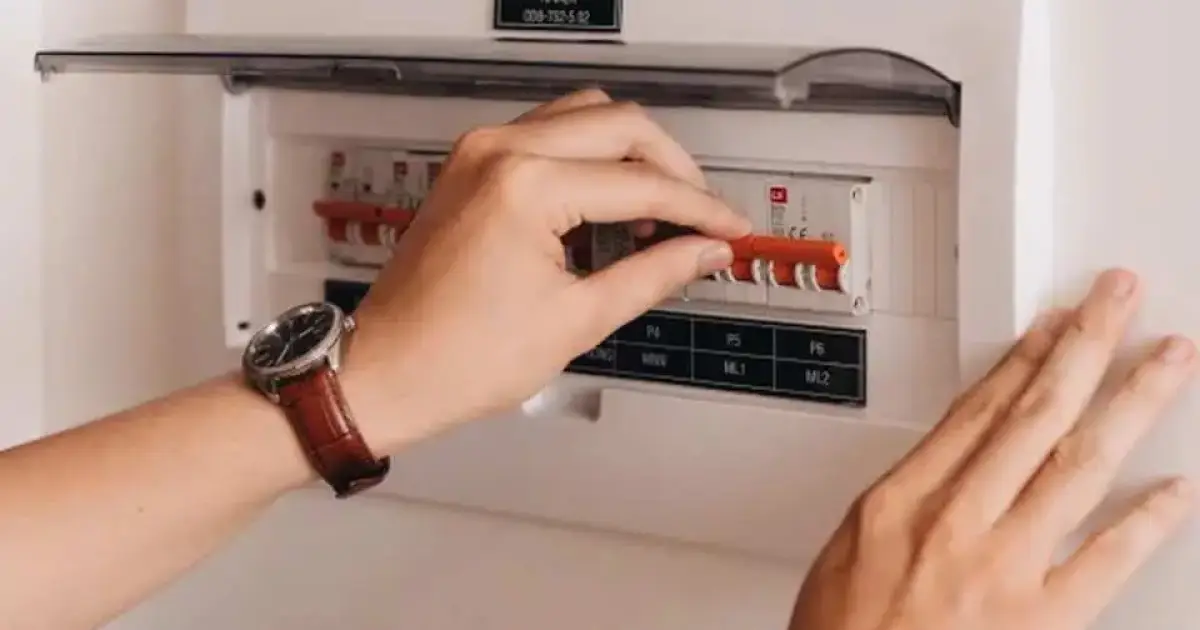
If you’ve completed the safe checks above and your safety switch continues to trip, it’s time to arrange a professional inspection. Replacing the switch itself isn’t always the solution, so identifying the underlying fault is important.
Contact an electrician promptly if:
- The safety switch repeatedly trips or won’t reset.
- It trips even after portable appliances are unplugged.
- The problem regularly occurs during wet weather.
- You notice buzzing, crackling or excessive heat around electrical fittings.
- Your switchboard shows signs of damage or deterioration.
If you notice smoke, burning smells or sparking, stop using the affected equipment immediately. Turn off the main power if it’s safe to do so and contact our 24-hour emergency electrician on (03) 8719 8776. If there is a fire or immediate danger, evacuate and call 000.
Frequently Asked Questions
Why does my safety switch trip when it rains?
Rain-related tripping often occurs when moisture enters an outdoor light, power point, junction box or electrical connection. Water can create a path for leakage current, triggering the safety switch. Even if the problem disappears once the area dries out, the affected installation should be inspected.
Why Won’t My Safety Switch Reset?
Your safety switch may not reset because an electrical fault is still present. If there are no immediate danger signs, unplug accessible portable appliances and attempt one reset. If it still won’t stay on, leave it switched off and contact a licensed electrician.
Why Does My Safety Switch Trip With Nothing Plugged In?
Even with portable appliances unplugged, hardwired equipment such as ovens, air conditioners, hot water systems and fixed lighting may still be connected. The issue could also involve damaged wiring or the safety switch itself. Professional testing is needed to identify the cause.
Can I Fix a Tripping Safety Switch Myself?
You can safely unplug accessible portable appliances and observe when the switch trips, but electrical repairs must be left to a professional. In Victoria, work involving fixed wiring, electrical fittings and switchboards must be completed by an appropriately licensed electrician.
Does a Tripping Safety Switch Mean I Need a New Switchboard?
Not necessarily. The fault may be isolated to an appliance, light fitting or individual circuit. However, if your switchboard is outdated, damaged or lacks appropriate protection, an upgrade may be recommended following an inspection.
Does Your Safety Switch Keep Tripping?
Whether the cause is a faulty appliance, damaged wiring or an issue with your switchboard, our electricians can help identify the problem and recommend the appropriate repairs.
With 20+ years of experience, owner Leonard Dibb and the All Electrics Melbourne team provide comprehensive electrical fault finding services across Melbourne CBD, South East Melbourne and surrounding suburbs. Our licensed and insured electricians will assess the affected circuits, investigate the fault and explain their findings before providing a fixed-price quote.
From minor electrical repairs and safety switch installations to complete switchboard upgrades, we recommend solutions based on what your home actually needs, with all workmanship backed by our lifetime guarantee. Request a free quote online or call (03) 8719 8776 to arrange an inspection.
Filter By Category
Most Viewed Guides

Need An Electrician?
Contact us today for a free fixed priced quote. You’ll be very happy that you did.
Contact Us →
Written By
Leonard Dibb
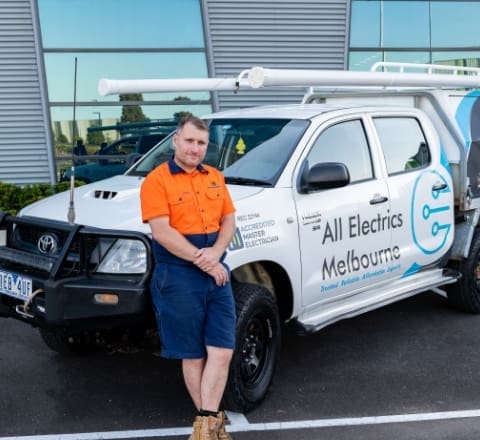
Leonard Dibb started All Electrics Melbourne with the goal of making high-quality electrical work more accessible, affordable and reliable for local homeowners and small businesses in South East Melbourne. With over 20 years of industry experience, Leonard leads a trusted team that services Melbourne CBD and the eastern suburbs with fully licensed and insured domestic electrical solutions.
Get your free, fixed price quote
Help us to help you.
We quote 99% of jobs online for free when you supply job photos. We save fuel and you save both time and money. Enquire now and we’ll be in touch.
Get Free Online Quote